
About outdoor furniture restoration
Outdoor furniture restoration is a mix of trades on a small scale: cleaning and sanding timber, re-oiling or sealing it, tightening or re-gluing joints, replacing corroded fixings with stainless, treating rust on steel and wrought iron and repainting, touching up or re-coating powder-coated aluminium, and cleaning woven rope, wicker and synthetic weave. Teak and other dense hardwoods silver naturally and can be left that way or brought back to colour; the decision is about look and upkeep, not protection. Cushion covers and sling fabric are an upholsterer's job, and full re-powder coating is a workshop process, so a good tradie will say what they can do on site.
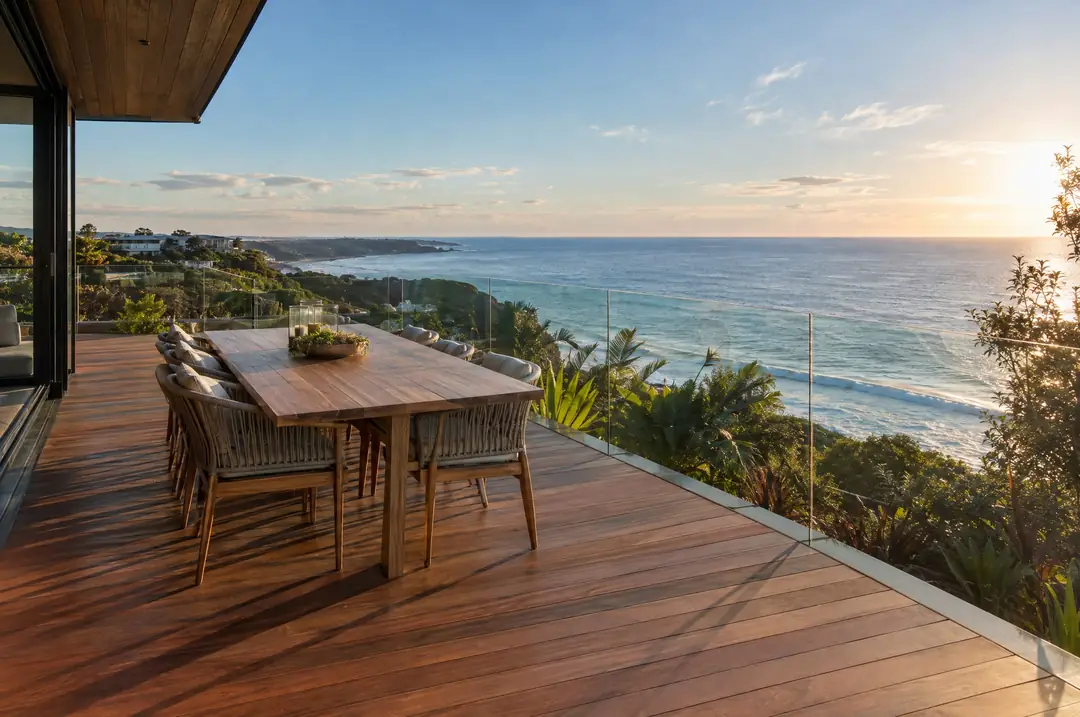
Coastal furniture lives a hard life. Tables on clifftop terraces in Vaucluse, Dover Heights and Whale Beach face salt spray and UV all year, so oils fade fast and plain steel rusts at every weld and screw. Stainless fittings develop brown surface staining near the surf, a cosmetic film that washes off rather than structural rust. Shaded courtyards in Paddington and Lane Cove grow mould on timber and weave instead. Harbourside apartments in Darling Point and Cremorne have balconies where work must be done in place, with drop sheets and no sanding dust drifting to the neighbours below. Sandstone paving marks easily under oil and rust, so protection matters.
No licence applies to this work, so vetting does the job: identity and ABN checked together, a public liability certificate on file, recent work we have seen, and references. Two facts are worth knowing. The APVMA cancelled the use of CCA treatment for timber in frequent human contact, including outdoor furniture, picnic tables and seating, so any replacement timber should be hardwood or an alternative treatment. And old painted steel or timber furniture may carry lead paint, likely on anything painted before 1970, so stripping should be wet or contained rather than dry sanded in the garden.
What the job usually includes
How it works
- Tell us the jobPhotograph each piece from a couple of angles, with close-ups of rust, splits or loose joints, and tell us the material if you know it: teak, eucalypt hardwood, steel, aluminium, rope. Say whether the work can happen on site or whether pieces can be taken away, and how you want the timber to look afterwards.
- We match vetted local tradiesTradies in the network who restore furniture and timber in your area receive the job. Each has shown us photo ID matched to an active ABN, a public liability certificate and photos of recent work, and has agreed to our code of conduct. There is no cost to you and no obligation.
- They quote you directly in writingThe tradie quotes per piece or for the set, under their own ABN, naming the cleaner, oil or sealer, primer and paint they will use, and listing any fixings to be replaced. They should say which items are beyond on-site repair, such as cushions, sling fabric or full powder coating.
- The workPieces are cleaned and allowed to dry, timber is sanded with dust extraction, joints are tightened or re-glued and clamped, rust is taken back to sound metal and primed, and finishes go on thin in dry weather. Fixings are swapped for stainless. Sandstone, decking and neighbours' balconies are protected, and oily rags are soaked or spread flat before disposal.
- After the jobCheck every joint by rocking the piece, run a hand over the timber for raised grain, and keep the product names for future coats. Give new finishes the cure time the tradie specifies before use. Then tell us how it went; homeowner feedback decides who keeps being matched.
Match the finish to the material, and know when to stop
Good restorers read the material before reaching for a product. Dense teak and spotted gum do not need oil to survive outdoors; oil restores colour but must be renewed, and some furniture makers advise against oiling teak at all because it can feed mould in damp shade. A clear penetrating sealer slows silvering with less upkeep, and leaving teak to weather evenly is a legitimate choice. On steel, the difference between a repaint that lasts and one that bubbles in a season is preparation: rust removed or converted, bare metal primed, paint applied thin in several coats. Powder coat cannot be matched by brushing; it can be cleaned, waxed and touched up.
Restraint matters too. Aggressive pressure washing furs timber and drives water into joints; harsh bleach greys hardwood and weakens rope; dry sanding old paint in the garden spreads dust that may contain lead. Careful tradies use mild cleaners and soft brushes, sand with extraction, and work on drop sheets so sandstone and decking do not pick up oil or rust stains. Near the surf they explain that brown marks on stainless are surface staining that comes off with a non-abrasive cleaner, and that 316 grade fittings resist it better than cheaper grades. They tell you when a piece is not worth saving, which is the most useful advice of all.
Questions worth asking the tradie
Frequently asked questions
Not necessarily. Teak lasts outdoors without any finish and weathers to silver-grey. Oil brings the colour back but needs renewing and can encourage mould in damp shade, which is why some makers advise against it. A penetrating sealer is a middle path. Decide by the look you want and how much upkeep you will do.
Usually, if the rust is surface rather than through the metal. The tradie removes loose rust mechanically, treats or converts the remainder, primes bare metal and applies exterior enamel in thin coats. Welds, feet and bolt holes are the weak points to check. If the metal is perforated, repair by a welder comes before paint.
Salt deposits cause surface staining on stainless steel in coastal air, a cosmetic film rather than structural rust. It washes off with fresh water and a non-abrasive cleaner, and regular rinsing keeps it away. Higher grades such as 316 resist it better than cheaper grades, which is worth knowing when fixings are replaced.
Yes for most cleaning, oiling, joint and fixing work, provided dust and drips are controlled with drop sheets and extraction and nothing drifts to the neighbours below. Heavy sanding, rust blasting and spray painting are better done off site. Tell the tradie the access and the floor surface when posting the job.
Possibly. Lead was in most house paint before 1970, and some later paints too. Dry sanding or burning it off spreads lead dust and fumes. A careful tradie wet-sands or uses a chemical stripper with containment, wears a proper respirator and cleans up with a HEPA vacuum, or takes the piece away to strip.
For solid hardwood, teak, cast aluminium and well-made steel, usually yes, because the materials outlast fashion and the work is mostly labour. For thin tubular steel, cheap softwood or furniture with failed welds and rotten joints, often not. Ask the tradie for an honest opinion piece by piece before you commit.